What to Expect With Dog Eye Enucleation
Dog eye enucleation is the surgical removal of a dog’s eye, and while the idea can feel overwhelming, it’s often the most compassionate and medically appropriate choice for dogs suffering from severe eye disease, unmanageable pain, or trauma. If your veterinarian has recommended this procedure, this blog will help you understand what it involves so you can feel more confident about the path ahead.
What Is Dog Eye Enucleation?
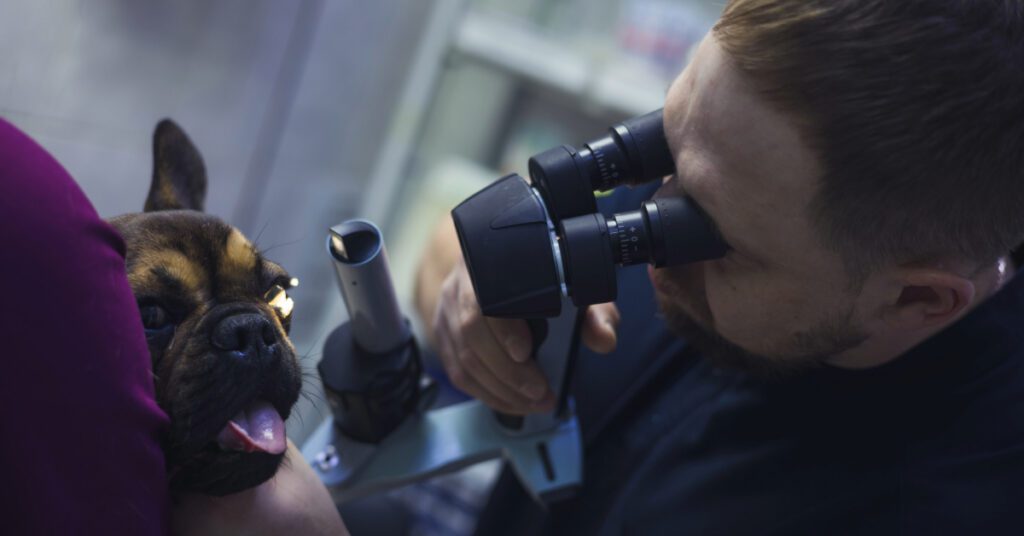
Dog eye enucleation is a surgical procedure in which the entire eye is removed. It is performed when the eye is no longer functional, is causing the dog significant pain, or poses a health risk. While it may seem drastic, canine eye enucleation is actually a well-established surgery with a high rate of post-operative comfort and recovery. Dogs are remarkably resilient, and many adapt to life with one eye quickly and without difficulty.
Why Is Eye Removal Recommended for Dogs?
Veterinarians recommend dog eye enucleation when other treatment options have been exhausted or are unlikely to relieve pain and protect your dog’s overall health. Common reasons include:
- Severe glaucoma that does not respond to medication
- Ocular tumors or cancers that cannot be treated otherwise
- Proptosis (eye displacement from the socket) due to trauma
- Irreparable eye injury or rupture
- Chronic uveitis causing persistent, uncontrolled pain
In all of these cases, the goal of dog eye removal surgery is the same: to eliminate pain and protect your dog’s quality of life.
How Is Dog Eye Enucleation Performed?
The canine enucleation procedure is performed under general anesthesia, so your dog will be completely unconscious and pain-free throughout. The surgical team monitors your dog’s vitals closely from start to finish. The surgery itself typically takes under an hour.
Steps of the Enucleation Procedure
During the procedure, your pet’s surgeon carefully removes the eye, along with any associated infected or diseased tissue. The eyelids are then sutured closed permanently, leaving a smooth, flat appearance. At Pets Furst Urgent Care in Langhorne, PA, our surgical team prioritizes your dog’s safety and comfort at every stage. Pre-surgical bloodwork, IV fluids, and careful anesthetic monitoring are all part of the standard protocol.
What Are the Risks of Dog Eye Enucleation?
As with any surgery performed under general anesthesia, there are inherent risks. However, canine eye enucleation is considered a routine procedure in veterinary surgery, and serious complications are uncommon. Your veterinarian will discuss your dog’s individual risk factors before proceeding.
Potential Complications to Be Aware Of
Possible risks associated with dog eye removal surgery include:
- Anesthetic reactions (rare, especially when pre-op bloodwork is current)
- Post-operative infection at the surgical site
- Swelling or bruising around the eye socket in the days following surgery
- Dehiscence (reopening of the incision), which may require additional care
Most dogs tolerate the procedure very well, and the relief from chronic eye pain is often immediately apparent in their behavior and demeanor following recovery.
What Is Recovery Like After Dog Eye Enucleation?
Recovery from canine eye enucleation is generally smoother than many pet owners expect. Dogs often begin acting more like themselves within 24 to 48 hours of surgery, particularly if they had been suffering from chronic eye pain beforehand.
Post-Op Care at Home
You’ll receive detailed discharge instructions from your veterinary team. General home care after dog eye removal typically includes:
- Keeping the E-collar (cone) on to prevent scratching at the surgical site
- Administering prescribed pain medications and antibiotics as directed
- Monitoring the surgical site daily for signs of infection (discharge, redness, odor)
- Restricting strenuous activity for 10 to 14 days
- Attending all scheduled follow-up appointments
How Long Is Recovery After Dog Enucleation?
Most dogs recover fully within two to three weeks. The sutures are usually removed or dissolve on their own within 10 to 14 days. During this time, it’s important to keep the area clean and dry and to watch for any changes that might indicate a complication.
Will My Dog Adjust to Life With One Eye?
The answer, overwhelmingly, is yes. Dogs compensate remarkably well for the loss of one eye. They rely heavily on smell, hearing, and spatial memory, so while their depth perception may change slightly, their overall quality of life is rarely diminished in any meaningful way.
Many owners report that their dogs seem happier and more energetic after surgery, particularly when the eye had been causing ongoing pain. A dog freed from chronic discomfort is a dog who can enjoy life again.
Tips for Helping Your Dog Adapt
Once your dog has healed, you can help them adjust by keeping furniture in consistent locations, approaching from the sighted side when possible, and using verbal cues more frequently. Most dogs make the transition without any trouble at all.
How Much Does Dog Eye Enucleation Cost?
The cost of dog eye enucleation varies depending on factors such as your geographic location, the facility’s level of care, and whether any additional diagnostics or treatments are needed before or after surgery. In general, enucleation is considered a more affordable option compared to long-term management of painful eye conditions with medications and repeated vet visits.
At Pets Furst Urgent Care, our team works to provide high-quality surgical care while being transparent about costs. If you have concerns about pricing, don’t hesitate to ask for an itemized estimate before your dog’s procedure.
When Is Dog Eye Enucleation the Right Choice?
The decision to proceed with dog eye removal surgery is never easy, but it is often the kindest option available when an eye is beyond saving. If your dog has been diagnosed with a condition that makes enucleation necessary, trust that your veterinarian is recommending it because it gives your dog the best chance at a pain-free, comfortable life.
The experienced surgical team at Pets Furst Urgent Care in Langhorne, PA is here to guide you through every step of the process—from pre-surgical consultation to post-operative follow-up. If you have questions about canine eye enucleation or want to schedule a surgical consultation, call Pets Furst Urgent Care at (215) 755-1000. Your dog’s comfort is our priority.
recent posts
- « Previous
- 1
- 2
- 3
- 4
- Next »
About Us
At Pets Furst Urgent Care, your time is important to us. That’s why we’re here: To provide the highest level of pet urgent care possible on a walk-in basis. That means you can stop in at any time during our office hours to see a knowledgeable veterinarian.