Is That Bump Serious? A Guide to Dog Mass Removal Surgery
Finding a lump or bump on your dog can send your heart racing. Dog mass removal surgery is one of the most common procedures performed in veterinary medicine, and whether a growth turns out to be benign or something more serious, surgical removal is often the safest and most effective path forward. Here’s what you need to know about canine tumor removal and what to expect from diagnosis through recovery.
What Is Dog Mass Removal Surgery?
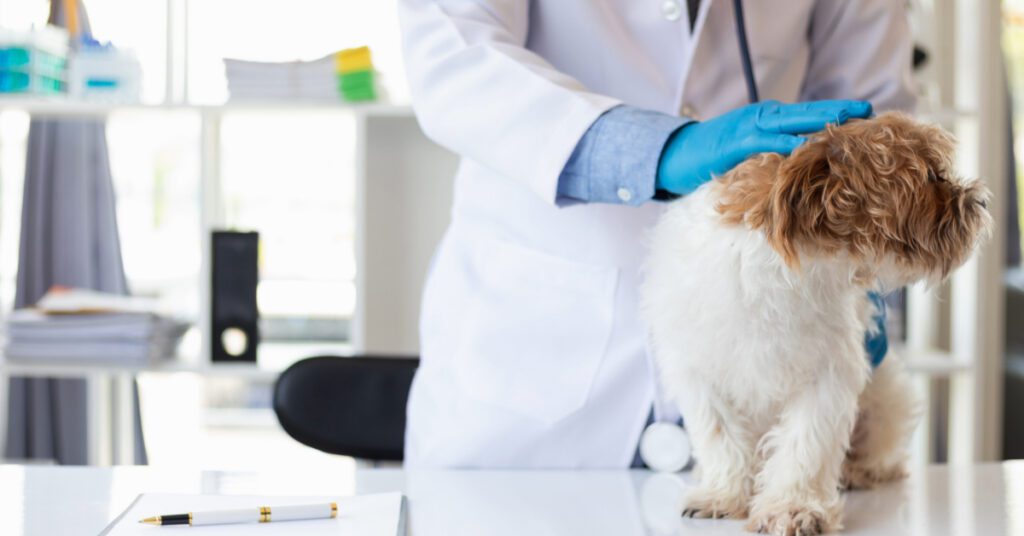
Dog mass removal surgery is a procedure in which a veterinarian surgically excises a lump, bump, or tumor from your dog’s body. These growths can appear anywhere, including on or under the skin, inside the abdomen, on the limbs, around the face, or near internal organs. The mass may be benign (non-cancerous) or malignant (cancerous), and in many cases, the only way to know for certain is to remove and biopsy it.
Why Doesn’t the Vet Just Biopsy It First?
In some cases, a fine needle aspirate (FNA) is performed before surgery to gather initial information about cell types. However, this method doesn’t always provide a definitive diagnosis. Many veterinarians recommend proceeding with full canine mass excision and sending the tissue to a pathologist, which gives the most accurate results and removes the growth at the same time.
How Do I Know if My Dog’s Mass Needs to Be Removed?
Not every lump requires immediate surgery, but your veterinarian is the right person to help you determine the appropriate course of action. In general, dog tumor removal is recommended when:
- The mass is growing rapidly in size
- The growth is in a location that interferes with movement, eating, or normal function
- The mass appears ulcerated, bleeds, or causes your dog visible discomfort
- Fine needle aspirate results suggest a concerning cell type
- The mass has been present for some time and its nature is unknown
Even lumps that appear small or benign can behave unpredictably. Lipomas, for example, are common fatty tumors in dogs that are usually harmless but can grow large enough to impede movement. Mast cell tumors, on the other hand, can look deceptively innocent while being aggressive. This is why veterinary evaluation is essential rather than a wait-and-see approach.
What Happens During Dog Mass Removal Surgery?
Canine mass excision is performed under general anesthesia. Before surgery, your veterinarian will likely recommend pre-operative bloodwork and possibly imaging studies to better understand the mass and your dog’s overall health. The complexity of the dog lump removal surgery depends on the size, location, and depth of the growth.
Types of Excision Techniques
Surgeons use different approaches depending on the nature of the mass:
- Simple excision: Used for superficial, well-defined masses with clear margins
- Wide local excision: Removes additional surrounding tissue to ensure clean margins, typically used for suspected malignant tumors
- Debulking: When complete removal isn’t possible, this approach reduces tumor size to improve comfort or allow for additional treatments
At Pets Furst Urgent Care in Langhorne, PA, each dog mass removal surgery is tailored to the individual patient. Our surgical team evaluates tumor location, depth, and your dog’s overall condition before recommending an approach.
Will the Tissue Be Sent for Biopsy?
Yes, in most cases, removed tissue is submitted to a veterinary pathologist for histopathology. This laboratory analysis identifies the exact cell type, confirms whether the tumor is benign or malignant, and assesses whether the surgical margins are clean, meaning the tumor was fully removed. Pathology results typically return within one to two weeks and guide any additional treatment recommendations.
What Are the Risks of Dog Tumor Removal Surgery?
Dog mass removal surgery carries the same general risks as any procedure performed under general anesthesia, including reactions to anesthesia, bleeding, infection, and wound healing complications. The risk level varies depending on your dog’s age, overall health, and the location and complexity of the mass.
For most otherwise healthy dogs, these risks are manageable and are far outweighed by the benefits of removing a potentially problematic growth. Your veterinarian will review the risk-benefit profile specific to your dog before surgery.
What Does Recovery Look Like After Dog Lump Removal?
Recovery from dog mass removal surgery depends on where the mass was located and how extensive the procedure was. Most dogs recover well and return to normal activity within two to four weeks.
Post-Surgical Care Tips
After canine mass excision, your care routine at home will typically include:
- Keeping the incision site clean and dry
- Using an E-collar to prevent licking or chewing at the wound
- Administering prescribed pain medications and any antibiotics
- Limiting physical activity until sutures are removed
- Scheduling a follow-up appointment to check the incision and discuss biopsy results
When Should I Call the Vet After Surgery?
Contact Pets Furst Urgent Care right away if you notice excessive swelling, redness, discharge, or odor at the surgical site, if your dog seems to be in significant pain that isn’t responding to medication, or if your dog refuses to eat or drink for more than 24 hours after surgery. These signs may indicate a complication that needs prompt attention.
What Happens If the Mass Turns Out to Be Cancerous?
A cancer diagnosis is understandably frightening, but it doesn’t automatically mean the worst. The pathology report will tell your veterinarian whether the tumor was fully excised and what grade of malignancy is present. From there, our team can discuss whether additional treatments such as chemotherapy, radiation, or repeat surgery might be appropriate.
Even with a malignant result, many dogs go on to live comfortable, happy lives after dog mass removal surgery and follow-up care. Early detection and prompt surgical intervention significantly improve outcomes for most tumor types.
Taking the Next Step After Finding a Lump on Your Dog
Finding a lump on your dog is stressful, but you don’t have to navigate it alone. Our team at Pets Furst Urgent Care in Langhorne, PA provides thorough evaluations, honest conversations about your options, and skilled surgical care when dog mass removal is the right path forward. If you’ve noticed a growth on your dog that concerns you, call Pets Furst Urgent Care at (215) 755-1000, so we can help you get answers and create a plan that puts your dog’s comfort and health first.
recent posts
- « Previous
- 1
- 2
- 3
- 4
About Us
At Pets Furst Urgent Care, your time is important to us. That’s why we’re here: To provide the highest level of pet urgent care possible on a walk-in basis. That means you can stop in at any time during our office hours to see a knowledgeable veterinarian.