

Should I Neuter My Dog?
For most dogs, yes. Neutering is a safe, beneficial procedure that supports a longer, healthier life. But the right timing and decision depends on your dog’s size, breed, and lifestyle, and getting it right matters more than most owners realize. Whether you’re the parent of a brand-new puppy or a grown male dog who hasn’t been neutered yet, this guide breaks down everything you need to know from the real health and behavioral benefits of neutering to the risks worth discussing with your vet, and how to determine the best age for your specific dog. Read on to make a confident, informed decision for the dog you love.
What Does It Mean to Neuter a Dog?
Neutering a dog refers to the surgical removal of a male dog’s testicles, a procedure also known as castration or orchiectomy. When people ask, “Should I neuter my dog?”, they’re asking whether this surgery is the right step for their pet. Neutering eliminates the primary source of testosterone in male dogs and is one of the most commonly performed procedures in veterinary medicine.
What Are the Benefits of Neutering a Dog?
There are well-documented health and behavioral benefits to neutering male dogs. Many veterinarians still recommend it as part of responsible pet ownership, though the conversation has become more nuanced in recent years.
Health Benefits of Dog Neutering
Neutering your dog can reduce or eliminate the risk of several health conditions:
- Testicular cancer is completely prevented since the testicles are removed
- Benign prostatic hyperplasia (enlarged prostate) is significantly less likely in neutered dogs
- Perianal tumors, which are more common in intact males, are less likely to develop
- Perineal hernias, which can be painful and serious, occur less frequently in neutered dogs
Behavioral Benefits of Neutering a Male Dog
Testosterone influences several male dog behaviors that many owners find challenging. Neutering often reduces or eliminates roaming behavior, which is when intact males seek out females in heat, sometimes escaping yards or running into traffic. Marking behavior, where dogs urinate on vertical surfaces to claim territory, often decreases after neutering. Mounting behavior may also diminish, and some dogs show less inter-male aggression, though this is not guaranteed and depends significantly on the individual dog and whether the behavior was well-established before surgery.
Are There Risks to Neutering a Dog?
Should I neuter my dog even if there are risks involved? This is a fair question. Research over the past decade has brought more attention to the potential downsides of neutering, particularly when it is done at a very young age. The decision to neuter your dog involves weighing benefits against possible risks.
Potential Health Risks Associated With Neutering
Studies, particularly from UC Davis, have suggested that early neutering in certain breeds may be associated with increased risk of:
- Certain orthopedic conditions, such as hip dysplasia or cranial cruciate ligament rupture, in large and giant breeds neutered before growth plates close
- Some types of cancer, including hemangiosarcoma and osteosarcoma, in specific breeds
- Urinary incontinence, though this is more commonly associated with spaying in females
- Weight gain and a slower metabolism, which require dietary management after surgery
These risks are breed- and size-dependent. Your veterinarian at Pets Furst Urgent Care in Langhorne, PA can help you understand how these factors apply specifically to your dog.
When Should I Neuter My Dog?
The question of when to neuter a dog has shifted in recent years. Traditionally, six months was the recommended age for dog neutering. Today, veterinary guidance is more individualized and depends on factors like breed, size, and lifestyle.
Neutering Age by Breed and Size
For small breeds, neutering around six months is generally still considered appropriate. For medium breeds, neutering between nine and twelve months is often recommended. For large and giant breeds, many veterinarians now advise waiting until 12 to 24 months of age, allowing the dog to fully mature before removing the hormonal influence on growth and development.
This is not a one-size-fits-all decision. If your dog is a mixed breed or you’re unsure of his adult size, your vet can estimate based on his current growth and help you determine the right timing for male dog neutering surgery.
Should I Neuter My Dog If He Has Behavioral Issues?
Neutering is sometimes recommended as a solution for behavioral problems, but it’s important to have realistic expectations. Neutering a dog is most effective at reducing hormone-driven behaviors like roaming, marking, and some forms of aggression. It is not a substitute for training and will not resolve fear-based aggression, anxiety, or behaviors that are learned rather than hormonally driven.
If your dog has behavioral concerns, talk with your veterinarian and a certified animal behaviorist before assuming neutering is the solution. Neutering may be one part of a comprehensive behavior plan, but it works best in combination with proper training and socialization.
What Happens During and After Dog Neutering Surgery?
Dog neutering is a routine surgical procedure performed under general anesthesia. The surgery itself is straightforward and typically takes less than 30 minutes. Pre-operative bloodwork is recommended, especially for older dogs, to assess anesthetic risk.
Recovery After Neutering
Most dogs recover from neutering within 10 to 14 days. You’ll need to:
- Keep the incision clean and dry
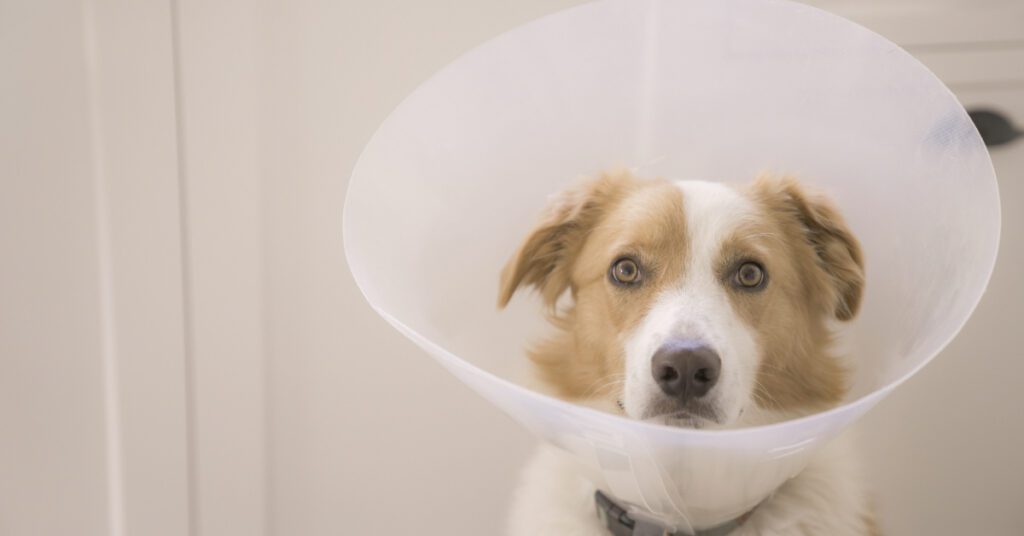
- Use an E-collar to prevent licking at the surgical site
- Limit running and jumping for the first two weeks
- Administer any prescribed pain medications
- Attend a follow-up appointment to check healing
Our team at Pets Furst Urgent Care provides detailed post-operative instructions to support a smooth, comfortable recovery for your dog.
Making the Right Decision for Your Dog
So, should you neuter your dog? For most pet owners, especially those not planning to breed their dog, neutering is a responsible and beneficial choice, as long as the timing is right for your dog’s size and breed. The best approach is to have an open conversation with your veterinarian about your dog’s specific circumstances, health history, and lifestyle.
At Pets Furst Urgent Care in Langhorne, PA, our veterinary team is here to help you navigate this decision with the most current and individualized guidance available. Call Pets Furst Urgent Care at (215) 755-1000 to discuss whether and when neutering is the right step for your dog.
recent posts
About Us
At Pets Furst Urgent Care, your time is important to us. That’s why we’re here: To provide the highest level of pet urgent care possible on a walk-in basis. That means you can stop in at any time during our office hours to see a knowledgeable veterinarian.