

Why Is My Cat Coughing? 7 Common Causes
Cats are known for being quiet, self-sufficient companions, so when you hear your cat coughing, it tends to stop you in your tracks. Cat coughing is a reflex action designed to clear the airways of irritants, mucus, or foreign material, but it can also be a symptom of something more significant going on beneath the surface. Some causes of coughing in cats are minor and temporary, while others are serious conditions that require prompt veterinary attention. This blog will discuss the seven most common reasons cats cough to help empower you to make smart, timely decisions about your pet’s care and know exactly when to call the vet.
What Does Cat Coughing Look Like?
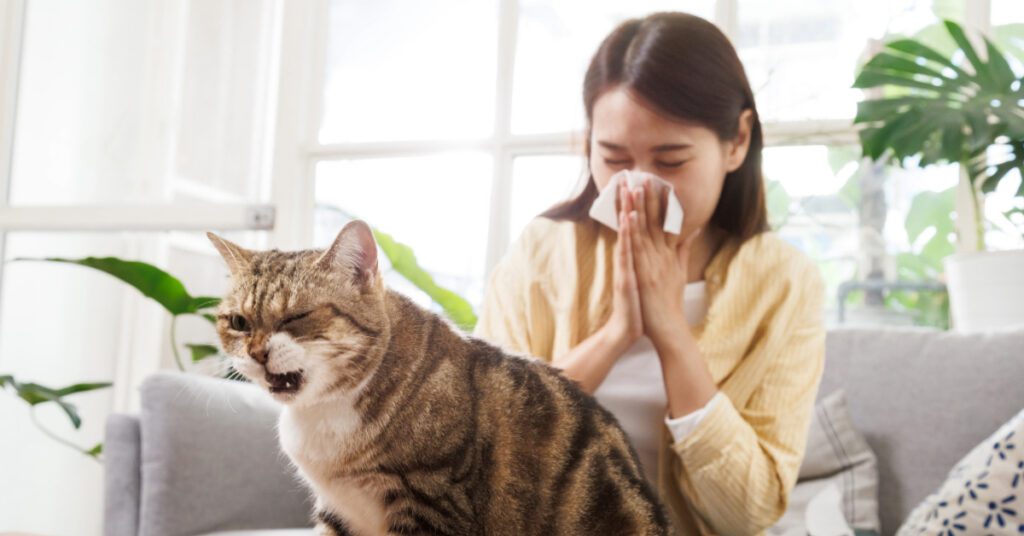
Before exploring the causes of cat coughing, it helps to understand what coughing in cats actually looks like because it’s often confused with other behaviors. A coughing cat typically crouches low to the ground, extends their neck forward, and makes a repetitive hacking, gagging, or wheezing sound. The episode may last only a few seconds or persist for a minute or longer. Some owners mistake cat coughing for hairball attempts, retching, or even sneezing, but the posture and sound are usually distinctive once you know what to look for.
Recording a video of your cat during a coughing episode is one of the most helpful things you can do before a veterinary appointment, as it gives your vet a clearer picture than a verbal description alone. If your cat is coughing frequently, persistently, or with distress, that information paired with the video helps lead to a faster, more accurate diagnosis.
Cause 1: Hairballs
Hairballs are one of the most familiar causes of coughing and gagging in cats, particularly in long-haired breeds or cats who groom frequently. When a cat grooms itself, it swallows loose hair, which typically passes through the digestive system without issue. However, when hair accumulates in the stomach faster than it can be expelled, it forms a compacted mass that the cat attempts to dislodge by retching or coughing.
Hairball-related coughing often sounds like a prolonged gagging or hacking, and it usually ends with the cat expelling a tube-shaped clump of matted fur. Occasional hairballs are a normal part of life for many cats, but frequent hairballs (e.g. more than one or two per month) may indicate an underlying issue with gastrointestinal motility or grooming behavior. If your cat is repeatedly attempting to expel a hairball but nothing is coming up, or if they seem distressed, contact your veterinarian rather than waiting.
Cause 2: Feline Asthma
Feline asthma is one of the most common causes of chronic coughing in cats, affecting an estimated one to five percent of the cat population. In cats with asthma, the airways in the lungs become inflamed and hypersensitive, causing them to narrow and spasm in response to triggers such as dust, smoke, pollen, mold, or certain cleaning products. A cat having an asthma episode will typically cough, wheeze, or breathe with an open mouth, and in severe cases, the cat may appear to struggle for breath or extend their neck to get more air.
Feline asthma can range from mild and infrequent to severe and life-threatening, and any cat showing signs of respiratory distress should be evaluated by a veterinarian as soon as possible. The condition is diagnosed through a combination of physical examination, chest X-rays, and sometimes additional testing, and it is managed, though not cured, through medication, often including corticosteroids and bronchodilators. With proper management, many cats with asthma live comfortable, active lives.
What Triggers Cat Asthma?
Common asthma triggers in cats include cigarette and cannabis smoke, scented candles and air fresheners, dusty cat litter, pollen, mold spores, and household cleaning products with strong chemical fumes. Stress can also exacerbate asthma symptoms in some cats, making it important to identify and minimize stressors in a cat’s environment alongside medical management. If your cat has been diagnosed with asthma, your veterinarian will typically work with you to identify the most likely triggers and develop an environmental management plan in addition to prescribing medication. Switching to a low-dust, unscented litter and avoiding aerosol sprays in rooms where your cat spends time are two of the most impactful changes many asthmatic cat owners make.
Cause 3: Upper Respiratory Infections
Upper respiratory infections are a leading cause of coughing in cats, particularly in kittens, outdoor cats, and cats who live in multi-cat households or have recently been in a shelter or boarding facility. Feline herpesvirus and feline calicivirus are the two most common viral culprits, and both can cause sneezing, nasal and eye discharge, fever, and a cough that ranges from mild to persistent. Bacterial infections, including Bordetella bronchiseptica and Chlamydophila felis, can also cause or complicate respiratory illness in cats.
Upper respiratory infections in cats are highly contagious between cats, though they cannot be transmitted to humans. While some mild infections resolve with supportive care, others require antiviral medications, antibiotics, or additional treatment, especially in young, senior, or immunocompromised cats. Any cat showing signs of a respiratory infection should be evaluated promptly to prevent secondary complications and to protect other cats in the household.
How Can I Tell If My Cat Has a Respiratory Infection?
In addition to coughing, cats with upper respiratory infections often show signs such as sneezing, runny nose, watery or crusty eyes, drooling, reduced appetite, and lethargy. Some cats develop mouth ulcers, particularly with calicivirus, which can make eating painful. A cat who is coughing and showing two or more of these additional symptoms is very likely dealing with an upper respiratory infection that needs veterinary assessment. Even if your cat seems only mildly affected, keep them away from other cats in the home and call your vet to discuss whether an appointment is needed.
Cause 4: Heartworm Disease
Heartworm disease is less commonly discussed in cats than in dogs, but it is a real and serious concern, particularly for outdoor cats in regions where mosquitoes are prevalent. Cats contract heartworm through the bite of an infected mosquito, and while they are less susceptible than dogs, even a small number of larvae can cause significant inflammation in the lungs. Heartworm-associated respiratory disease (HARD) in cats produces symptoms that closely mimic feline asthma, including coughing, wheezing, and difficulty breathing.
This similarity means that heartworm disease is sometimes misdiagnosed as asthma, making it critical to test for heartworm when evaluating respiratory symptoms in cats, especially in cats with outdoor access. There is currently no approved treatment for heartworm in cats, which makes prevention through monthly heartworm preventatives critically important. If you haven’t spoken with your veterinarian about heartworm prevention for your cat, now is a great time to bring it up.
Cause 5: Lungworms
Lungworms are parasites that infect the respiratory tract of cats, and they are a cause of coughing that is often overlooked during routine assessment. Cats typically become infected with lungworms by eating infected prey animals including birds, rodents, and snails, making outdoor and indoor-outdoor cats at the greatest risk. The larvae travel from the gut to the lungs, where they develop and cause inflammation, leading to a persistent cough, wheezing, increased breathing effort, and sometimes weight loss.
Diagnosing lungworms requires specific tests, including fecal analysis and sometimes bronchoscopy, because the larvae are not detectable through standard methods. Lungworm infections are treatable with antiparasitic medications prescribed by your veterinarian, and most cats recover well with appropriate therapy. If your cat spends time outdoors and has a cough that isn’t responding to other treatments, lungworm infection is worth discussing with your vet.
Cause 6: Pleural Effusion
Pleural effusion refers to the abnormal accumulation of fluid around the lungs, within the chest cavity, and it is a serious condition that can cause coughing, labored breathing, and a reluctance to move or lie down in affected cats. The fluid compresses the lungs and makes it difficult for the cat to breathe normally, which is why cats with pleural effusion often breathe with their elbows held out from the body, mouth slightly open, or with exaggerated chest movement.
Pleural effusion can result from several underlying conditions, including heart disease, cancer, infections such as feline infectious peritonitis (FIP), or trauma. This is a condition that requires emergency veterinary care, as severe cases can be rapidly life-threatening. Treatment involves draining the fluid from the chest cavity followed by identifying and addressing the underlying cause. If your cat is coughing and also appears to be struggling to breathe, seek emergency care immediately.
Cause 7: Lung Cancer or Cardiac Disease
Persistent or progressive coughing in older cats can sometimes be a sign of lung cancer or cardiac disease, which are two conditions that are more common in senior cats and require thorough diagnostic evaluation. Primary lung tumors in cats are relatively rare, but metastatic cancer (cancer that has spread from another site, such as the mammary glands) is a more frequent finding. Cardiac disease, including hypertrophic cardiomyopathy (HCM, known as the most common heart condition in cats) can cause fluid buildup in or around the lungs, leading to coughing and respiratory distress.
Cats are notoriously good at hiding signs of illness, which means cardiac disease can progress significantly before obvious symptoms appear. Annual wellness exams and proactive diagnostic screening for senior cats are among the most effective ways to catch these conditions early. If your older cat has recently developed a cough, don’t chalk it up to age. Schedule a veterinary evaluation so the cause can be identified and addressed.
When Is Cat Coughing a Medical Emergency?
Some coughing episodes in cats are urgent, and knowing the warning signs of a respiratory emergency can save your cat’s life. Seek immediate veterinary care if your cat is coughing and also showing any of the following: open-mouth breathing or panting (which is abnormal in cats), blue or gray coloring of the gums or tongue (a sign of oxygen deprivation), extreme lethargy or inability to stand, visible distress or panic, or rapid and shallow breathing. A cat who is struggling to breathe is in a critical state, and the time between symptom onset and veterinary care can be the difference between a full recovery and a fatal outcome. For coughs that are frequent but not accompanied by signs of acute distress, a same-day or next-day appointment is still appropriate rather than a wait-and-see approach. When it comes to breathing problems in cats, acting early is always the right call.
What to Expect When Your Cat Is Examined for a Cough
Because so many different conditions can cause coughing in cats, the team at Pets Furst Urgent Care will use a combination of tools to narrow down the cause and build an appropriate treatment plan. The diagnostic process may vary, but usually includes:
- A thorough physical examination
- Gathering a detailed history of the cough (when it started, how often it occurs, what it sounds like, and any associated symptoms)
- Chest X-rays
- Blood tests
- Fecal analysis
- Heartworm testing
- Bronchoscopy
Treatment varies significantly based on the diagnosis: asthma may be managed with inhaled corticosteroids, infections may require antibiotics or antivirals, parasites are treated with antiparasitic medications, and structural or oncological causes may require specialized referral. Following through on diagnostics and not stopping treatment early are both critical to successful outcomes, particularly for chronic or complex conditions. Your veterinarian is your best partner in understanding and managing your cat’s respiratory health.
Get Your Cat Evaluated Today
A cat that coughs once is easy to brush off, but a cat that keeps coughing is telling you something important. At Pets Furst Urgent Care, our veterinary team has the experience and diagnostic tools to identify why your cat is coughing and develop a treatment plan that addresses the root cause. We offer urgent and same-day appointments for cats showing respiratory symptoms, because we know that waiting can make a difference when it comes to your pet’s health. Whether your cat has been coughing for a few days or a few weeks, we’re here to help. Call us at (215) 755-1000 and give your cat the thorough, caring evaluation they deserve.
recent posts
About Us
At Pets Furst Urgent Care, your time is important to us. That’s why we’re here: To provide the highest level of pet urgent care possible on a walk-in basis. That means you can stop in at any time during our office hours to see a knowledgeable veterinarian.