

Why Is My Cat Suddenly Hiding? Behavioral Red Flags That Indicate Pain
A cat suddenly hiding can signal discomfort, illness, or stress, especially when the behavior appears out of nowhere. Cats tend to withdraw when something doesn’t feel right, and hiding can be one of the earliest signs that your pet needs attention. If your cat becomes unusually distant or difficult to find, it may be responding to pain or another underlying issue that warrants a prompt visit to your veterinarian.
Why Cats Hide and How This Behavior Connects to Pain
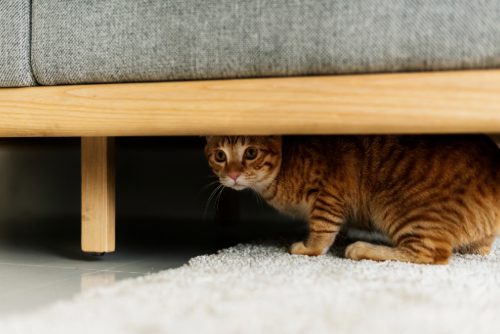
Cats have a natural instinct to conceal themselves when they feel vulnerable. This makes it hard for pet owners to recognize the earliest signs of discomfort. While tucking away in a quiet nook can be normal during a noisy day or after an unfamiliar visitor stops by, sudden or frequent hiding often points to something more concerning. When this change happens without an obvious trigger, it can indicate that your cat is trying to retreat from stimulation, protect a sensitive part of their body, or avoid interactions that might cause pain. You may notice your cat slipping under the bed, retreating to a closet, or choosing hard-to-reach corners instead of their usual favorite spots. This shift can progress gradually or happen overnight, and many pet owners underestimate its importance. Cats tend to mask symptoms, so behavior changes often appear before any physical signs develop. If you have any concerns, contact Pets Furst Urgent Care in Langhorne at (215) 755-1000 for guidance.
Hiding Paired With Subtle Physical Changes
Behavior changes rarely occur alone. Cats in pain often combine hiding with changes in posture, appetite, grooming habits, or movement patterns. You might spot stiffness when they stand up, hesitation before jumping, or reduced interest in being touched. These shifts add context to the sudden hiding behavior and can help your veterinary team build a clearer picture of what’s going on.
Common Causes Behind Sudden Hiding in Cats
When a cat suddenly hides, the reason can range from stress to medical issues. Understanding the possibilities gives you a clearer sense of when to seek veterinary support. Every unexplained hiding episode deserves attention, especially when it persists longer than usual or appears alongside other unusual behaviors.
Pain From Injuries or Chronic Conditions
Cats may hide when they’re dealing with internal or external discomfort. Pain limits a cat’s mobility, energy level, and desire for interaction, which often pushes them to search for solitude. Even mild pain can cause a noticeable shift in where they rest or how they move.
Possible Pain-Related Triggers
- Soft tissue injuries
- Arthritis or joint inflammation
- Dental discomfort
- Abdominal or internal issues
- Post-impact soreness from a fall or misstep
Pain-related hiding often worsens during times when your cat is normally active or social. You may notice them avoiding their favorite windowsill or choosing to rest rather than come for treats. Cats may also protect painful areas by avoiding touch, interacting less with the household, or resisting activities they once enjoyed.
Stress and Environmental Change
Cats are highly sensitive to changes in their surroundings. A new pet, a loud appliance, a holiday gathering, or a recent move can lead them to temporarily hide. Situational stress can cause both emotional unease and physical tension. Even when the stressor appears small to people, it can feel overwhelming to a cat.
Common Stressors
- New animals in the home
- Rearranged furniture or renovations
- Visitors or unfamiliar scents
- Seasonal weather changes
- New routines or schedule disruptions
Stress-related hiding typically improves when the environment settles, but if it stretches beyond a few days, it may mask an underlying medical issue. When stress and pain combine, hiding becomes even more pronounced. If the behavior persists or intensifies, it’s time to contact Pets Furst Urgent Care at (215) 755-1000.
Illness or Internal Discomfort
Many illnesses cause cats to look for a quiet place to rest. Gastrointestinal trouble, kidney concerns, respiratory issues, and urinary problems can all lead to withdrawal. These conditions often produce subtle symptoms at first, and hiding becomes one of the earliest clues that something isn’t right.
Indicators That Illness May Be the Cause
- Reduced appetite
- Lower energy levels
- Sleeping far more or far less than usual
- Labored or shallow breathing
- Changes in litter box habits
Cats often react to internal discomfort by limiting their movement and seeking low-traffic areas where they feel more secure. Because these illnesses can progress quickly, early evaluation can help determine the cause of the behavior shift.
Aging and Cognitive Decline
Older cats may hide more often due to the effects of aging. Declining eyesight, reduced hearing, or confusion can make them feel less confident navigating their surroundings. Pain from arthritis or age-related conditions also contributes to withdrawal.
Age-Related Factors to Consider
- Slower movement
- Difficulty getting onto furniture
- Confusion during routine activities
- Startling easily
- Vocalizing more than usual
When aging cats hide suddenly, the change may indicate worsening discomfort or a new condition developing. Your veterinarian can evaluate whether the behavior relates to mobility challenges, chronic pain, or cognitive changes.
Behavioral Clues That Point Toward Pain
A cat’s body language offers important information when trying to understand their hiding behavior. Behavioral shifts often occur before more obvious symptoms appear.
Changes in Interaction
Cats in pain may pull away from family members, avoid petting, or show less interest in greeting you at the door. They may also stop engaging in play, grooming routines, or moments they usually enjoy. Some cats may act irritable when touched or approached.
Changes in Movement
Hesitation before climbing stairs or choosing shorter jumps can signal discomfort. Your cat may also move more slowly, stretch less, or adjust their posture frequently while resting.
Changes in Grooming
Over-grooming or under-grooming can both indicate discomfort. Some cats focus on one area excessively, while others stop grooming altogether due to pain or reduced mobility. These behavioral changes, paired with sudden hiding, help paint a fuller picture of what may be happening. When behavior shifts appear without an obvious cause, it’s time to contact your veterinary team.
When You Should Consider Urgent Veterinary Attention
Sudden hiding becomes more concerning when it’s paired with other changes. Cats rarely show distress openly, so subtle shifts deserve attention. When hiding persists beyond a short period or escalates quickly, a veterinary exam can help identify what your cat needs.
Signs That Warrant an Urgent Visit
- Severe lethargy
- Lack of appetite
- Obvious discomfort when moving
- Persistent vocalizing
- Difficulty breathing
- Litter box avoidance or straining
An urgent care visit helps your veterinarian rule out injuries, internal issues, or acute conditions that may need immediate support. Pets Furst Urgent Care in Langhorne is equipped to evaluate sudden changes in behavior and provide next-step guidance. If you’re concerned about your cat’s sudden hiding, contact the team at (215) 755-1000.
Creating a Safe and Comfortable Home for Cats Who Are Hiding
A supportive environment helps your cat feel more secure while your veterinary team works to identify the cause of their behavior. Cats respond positively to predictable routines, calm spaces, and reduced stress. While you shouldn’t attempt at-home medical care, you can be mindful of how your environment affects your cat’s sense of security.
Ways to Promote Comfort
- Minimize loud noises when possible
- Maintain a gentle, consistent household routine
- Keep essential items easy to access
- Avoid forcing interaction when your cat seeks solitude
- Provide familiar bedding and resting areas
Sudden hiding is often a meaningful message from your pet. Whether sparked by discomfort, stress, illness, or aging, this shift deserves attention and timely evaluation. Early recognition helps your veterinary team identify the cause and support your cat’s comfort moving forward. If you notice this change and aren’t sure what’s behind it, the team at Pets Furst Urgent Care in Langhorne is ready to help. Call (215) 755-1000 to speak with a member of our team or to arrange a visit.
recent posts
About Us
At Pets Furst Urgent Care, your time is important to us. That’s why we’re here: To provide the highest level of pet urgent care possible on a walk-in basis. That means you can stop in at any time during our office hours to see a knowledgeable veterinarian.