
What is Xylitol and Why is it Toxic to Dogs?
Xylitol is a sugar substitute found in many everyday products, and it can cause life-threatening reactions in dogs when eaten. This ingredient is safe for people, but dogs process it differently, which leads to a sudden drop in blood sugar and the potential for serious complications. Many pet owners don’t realize how common xylitol is, making accidental exposure easy. Since this topic affects households everywhere, it’s important to understand how xylitol and dogs interact, why it’s so dangerous, and what steps you can take to reduce your pet’s risk. If you ever suspect your dog has ingested a xylitol-containing product, contact Pets Furst Urgent Care in Langhorne, PA at (215) 755-1000 right away. Below is a detailed look at where xylitol hides, how it affects dogs, and how you can help protect your pet from unexpected exposure.
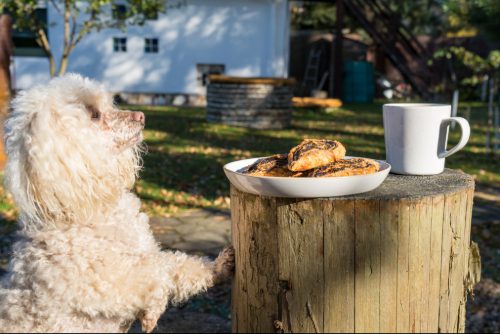
A Closer Look at Xylitol and How It’s Used
Xylitol’s rise in popularity stems from its sweet flavor and low-calorie profile. Manufacturers use it as an alternative to regular sugar, and it appears in products that humans use every day. Although it tastes like sugar, xylitol has a different chemical structure that makes it harmful to dogs. Pet owners sometimes overlook the dangers because they associate the ingredients in “sugar-free” or “low-carb” products with health benefits. The issue is that these products may seem harmless during daily routines, but dogs have a far more intense reaction to xylitol than humans do.
Common Household Products That May Contain Xylitol
Xylitol shows up in many unexpected places, and the list grows as manufacturers expand their “sugar-free” lines. Products that may contain xylitol include:
- Sugar-free gum
- Breath mints
- Chewable vitamins
- Toothpaste and oral rinses
- Protein bars
- Baked goods
- Peanut butter labeled as low-sugar or sugar-free
- Nasal sprays
- Drink mixes
- Prescription medications flavored for humans
Because labeling practices vary, xylitol may appear under alternate names such as “birch sugar.” Pet owners who share food or personal care items with their dogs, even unintentionally, can be surprised by hidden risks. Each year, accidental exposures increase as xylitol becomes more common in pantry staples, toiletries, and household products.
Why Xylitol Is Dangerous for Dogs
Xylitol inspires concern because of how quickly it affects dogs. Unlike humans, dogs absorb xylitol directly into the bloodstream. This triggers a rapid release of insulin, which causes a fast and dramatic drop in blood sugar levels. Problems can escalate within a short period, and dogs may begin showing changes in behavior or posture soon after ingestion.
How Dogs’ Bodies React to Xylitol
Dogs do not metabolize xylitol the same way people do. Their pancreas responds as if they consumed a high amount of sugar, even though xylitol offers no actual glucose. The body releases more insulin than needed, leading to hypoglycemia. Many dogs may show early signs such as trouble walking or a sudden change in alertness. Without immediate veterinary care, the situation can become more complicated.
The Risk of Higher Quantities
The amount of xylitol a dog eats heavily influences how severe the reaction becomes. Small dogs require far less xylitol to reach a dangerous threshold compared to larger dogs. Even a few pieces of sugar-free gum may contain enough xylitol to cause a serious emergency. Some products, such as sugar-free baked goods or liquid supplements, contain especially high concentrations. Pet owners often feel surprised by how little it can take for a dog to experience a reaction.
Where Dogs Commonly Come into Contact With Xylitol
Awareness can help pet owners reduce common risks in the home. Dogs explore their environment using their noses and mouths, which means they may investigate purses, backpacks, countertops, and nightstands. Any household with visitors, children, or multiple family members should stay mindful of where personal items are kept.
Purses, Bags, and Containers
Gum, mints, lip balm, and chewable supplements often travel in bags or coat pockets. A curious dog can access these items in seconds. If a bag sits on the floor or within easy reach, the likelihood of accidental ingestion increases.
Kitchen Counters and Pantry Items
Dogs may explore countertops when food is present. Baked goods, protein bars, or sugar-free drink mixes may be left out during meal prep or cleanup. Some peanut butter brands now contain xylitol, so reading the label before using it for treats, enrichment toys, or training sessions is important.
Bathroom and Personal Care Products
Some toothpaste, mouth rinses, and nasal sprays contain xylitol. If placed near the edge of a bathroom counter or stored on an accessible shelf, your dog may investigate during moments of curiosity or boredom.
Recognizing a Potential Emergency
The effects of xylitol can develop quickly, and any suspicion of ingestion warrants a call to Pets Furst Urgent Care at (215) 755-1000. Quick communication gives the medical team the information needed to guide you on the next steps. Even if you are unsure whether the product contained xylitol, calling a veterinary professional helps clarify the situation.
Why Timing Matters
Xylitol absorbs rapidly into a dog’s system. The sooner your dog receives care, the better the team at Pets Furst Urgent Care can assess the situation. Many emergencies benefit from early evaluation, and veterinary hospitals are equipped to perform diagnostics that help determine the appropriate next steps for your dog.
What Happens at Pets Furst Urgent Care
Urgent care teams use tools and tests to evaluate a dog that may have been exposed to xylitol. Diagnostics may include bloodwork to assess blood sugar levels and other indicators. Our veterinary team may ask for the product packaging, which helps determine how much xylitol your dog may have consumed. Providing as much detail as possible helps our team tailor the treatment plan to your dog’s needs.
How Pet Owners Can Help Reduce Exposure Risks
Preventing accidental exposure to xylitol starts with awareness. Once you know how common it is, you can build habits that help reduce opportunities for your dog to get into xylitol-containing items. Small changes in household routines can make a meaningful difference.
- Read Labels Carefully: Manufacturers continue to update their formulas, so reading ingredient lists helps pet owners identify xylitol-containing items before bringing them into shared spaces. “Sugar-free,” “low-carb,” or “keto-friendly” products often use xylitol as a sweetener. Even unexpected items, such as certain nut butters or syrups, may contain it.
- Secure Personal Items: Keeping purses, backpacks, and gym bags in closed closets or on elevated shelves reduces the likelihood that a dog will explore them. Storing toothpaste, mints, or flavored medications in drawers or cabinets also removes the temptation.
- Educate Family Members and Guests: Everyone in the household benefits from understanding where xylitol appears and how harmful it is to dogs. Guests may unknowingly leave gum or snacks within reach. Clear communication encourages safer habits and lowers the risk of accidental ingestion.
Your Next Steps if You Suspect Exposure
When it comes to xylitol and dogs, quick action can make a meaningful difference. Contact Pets Furst Urgent Care in Langhorne, PA at (215) 755-1000 for guidance if you believe your dog may have eaten a product containing xylitol. Our team can help determine whether your pet should be seen right away and explain how to move forward. Staying aware of everyday items that contain xylitol and storing them thoughtfully helps reduce risks in your household. Every pet parent benefits from understanding how xylitol affects dogs, and your attentiveness plays an important part in your dog’s safety. Pets Furst Urgent Care is here to answer questions, support you during uncertain moments, and help your dog receive timely care whenever you need it.
recent posts
About Us
At Pets Furst Urgent Care, your time is important to us. That’s why we’re here: To provide the highest level of pet urgent care possible on a walk-in basis. That means you can stop in at any time during our office hours to see a knowledgeable veterinarian.