When Your Dog Eats a Foreign Object: What Happens Next?
Pets explore the world with their mouths, which means swallowing something unusual happens more often than many owners realize. When your dog eats a foreign object, the situation can lead to discomfort, digestive complications, or a trip to an urgent care veterinarian. In simple terms, a foreign object ingestion occurs when a pet swallows something that should not enter the digestive system: anything from socks and toys to bones and household items. Because this situation can progress quickly, pet owners often wonder what happens next and how veterinary teams intervene. If you ever suspect your dog or cat swallowed something they shouldn’t have, Pets Furst Urgent Care in Langhorne, PA, provides prompt support and advanced diagnostic tools. Call us at (215) 755-1000 for immediate guidance.
Understanding Why Pets Eat Foreign Objects
Pets investigate their surroundings through biting, chewing, and playing, which sets the stage for accidental foreign object ingestion. Puppies, kittens, and active adult pets may test objects the same way toddlers do, simply out of curiosity or boredom. Some pets develop a habit of chewing or swallowing items due to anxiety, stress, or attention-seeking behavior. Others may be attracted to the scent or texture of items like clothing, shoes, or trash. Regardless of the reason, swallowing something non-digestible can set off a chain reaction inside the body.
Common Items Pets Tend to Swallow
Many foreign object cases involve everyday household items. Socks, underwear, strings, toy pieces, bones, rocks, plastic, hair ties, and even holiday decorations frequently show up on X-rays. Dogs often swallow larger, bulkier items, while cats tend to ingest string-like materials that can cause additional risks. Because each type of item behaves differently inside the digestive tract, the urgency and complexity of treatment vary dramatically.
How Ingested Objects Can Affect the Digestive System
When your dog eats a foreign object, the item can irritate the stomach, block the intestines, or become lodged in the esophagus. Objects that are too large to pass may cause repeated vomiting or discomfort. Sharp items can cause scratches or tears that require immediate veterinary care. Long, linear items such as ribbon or dental floss can create tension within the intestines, which makes the situation more complicated. These conditions develop quickly, so veterinary evaluation is important whenever ingestion is suspected.
What Veterinarians Check for After Foreign Object Ingestion
When you arrive at Pets Furst Urgent Care, our veterinary team begins with a thorough review of your pet’s recent behavior and any known or suspected items they may have swallowed. Even without clear evidence, veterinarians use reliable diagnostic tools to determine if an object is present and whether it is causing distress.
Reviewing Symptoms and Physical Signs
Veterinarians look for indicators such as vomiting, drooling, reduced appetite, lethargy, or abdominal discomfort. Pets may also show restlessness, difficulty defecating, or visible bloating. Cats may hide or vocalize more than usual. Our team evaluates your pet from nose to tail to identify tender areas, abdominal swelling, or signs of dehydration.
Diagnostics That Help Identify the Location of the Object
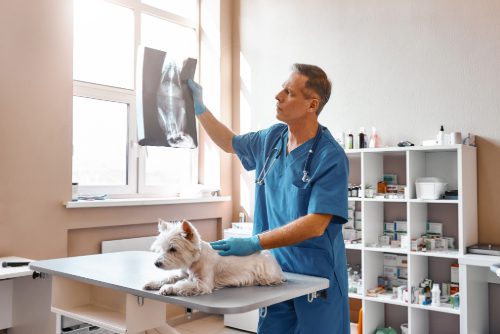
Most cases involve imaging to confirm the presence and position of a foreign object. X-rays help locate non-metal items, while ultrasound can detect soft materials or items hidden within layers of tissue. For objects that contain metal, coins, or batteries, imaging provides immediate clarity. These diagnostics give the medical team a clear picture of what is happening inside the digestive tract, which helps determine next steps.
Evaluating Potential Complications
If the imaging shows that an object is lodged or causing a blockage, our team assesses whether the stomach, intestines, or esophagus are affected. They also evaluate the risk of perforation or obstruction. Pets that show signs of shock, pain, or dehydration may require immediate stabilization. Each foreign object behaves differently, so our veterinary team carefully considers size, shape, and material before moving forward.
How Veterinary Teams Decide on the Best Treatment Path
Treatment varies depending on the object, its position, and your pet’s symptoms. Our veterinary team at Pets Furst Urgent Care explains each step thoroughly so owners feel well-supported throughout the process. Because foreign object cases can progress quickly, the goal is always to make the best possible decision for your pet’s comfort and safety.
Monitoring for Natural Passage
Some small, smooth objects may move through the digestive system without intervention. However, monitoring by your veterinarian is essential to track progress and confirm that the object is moving. Pets often require follow-up imaging during the process. Throughout monitoring, your pet’s hydration, comfort, and digestive activity are evaluated closely.
When Endoscopy May Be Used
In certain cases, the object may still be in the stomach or upper digestive tract. An endoscope allows veterinarians to retrieve the object through the mouth using a flexible camera with special tools. This method avoids surgery but can only be used in specific situations. Our team determines whether this approach is safe based on the item’s shape and position.
Surgical Removal for Serious Cases
Some objects require surgical removal, especially if they cause blockages, tears, or severe discomfort. Surgery allows veterinarians to access the stomach or intestines and carefully retrieve the item. This option may be recommended when the object poses immediate risk. Our veterinary team supports pets with pain management, fluid therapy, and close monitoring before and after the procedure.
Why Time Matters With Foreign Object Ingestion
Time plays a major role in how these situations unfold. If your dog ate a foreign object, the object may shift, swell, absorb fluids, or move deeper into the digestive tract. Waiting too long to seek veterinary care can complicate treatment. Early intervention helps our team address the problem before it becomes more severe.
The Importance of Early Evaluation
Many objects do not show immediate signs of discomfort. Pets may act normal for several hours before symptoms develop. Because imaging is the only reliable method to determine what is happening inside, early evaluation is important for both safety and peace of mind. The sooner our team sees your pet, the more options are available.
Risks That Increase Over Time
As time passes, objects can cause swelling, blockages, or tissue damage. Batteries, corn cobs, string, bones, and sharp items carry higher risks because they can deteriorate or cause injury. Immediate veterinary attention offers the best chance of preventing complications and supporting your pet’s comfort.
Supporting Your Pet Through the Recovery Process
After treatment, recovery depends on the object swallowed, the treatment method used, and your pet’s overall health. Pets Furst Urgent Care provides clear follow-up instructions and continued support to help guide your pet’s healing. While the specifics of aftercare vary by case, our team works closely with owners to make the experience as smooth as possible.
What Recovery May Look Like
Recovery may include rest, limited activity, and follow-up visits. Pets may need time for their digestive system to settle. Quiet supervision helps them return to normal eating and bathroom habits. Follow-up imaging may be recommended to confirm that everything is healing properly. Throughout recovery, our team supports owners with updates and guidance.
Moving Forward After a Foreign Object Scare
Foreign object ingestion can be stressful for both pets and owners, but acting quickly helps veterinary teams intervene effectively. When your dog eats a foreign object and you’re unsure of the next step, Pets Furst Urgent Care is ready to help. Call (215) 755-1000 for immediate assistance or visit our urgent care center in Langhorne, PA, for prompt evaluation. Our team provides the support and attention your pet needs to feel more comfortable again.
recent posts
About Us
At Pets Furst Urgent Care, your time is important to us. That’s why we’re here: To provide the highest level of pet urgent care possible on a walk-in basis. That means you can stop in at any time during our office hours to see a knowledgeable veterinarian.