

Heatstroke in Pets: Symptoms, Treatment, and Prevention
Heatstroke in pets occurs when a dog or cat’s body temperature rises beyond its ability to cool down, leading to dangerous internal stress. This condition can develop quickly, especially during warm weather or high humidity, and many pet owners don’t realize how fast it can progress. Because heatstroke in pets can cause serious complications if it goes unrecognized, knowing the early warning signs and acting promptly makes a meaningful difference. Pets Furst Urgent Care in Langhorne, PA, supports local families during these emergencies, and our team encourages you to call (215) 755-1000 if you ever feel uncertain about your pet’s well-being.
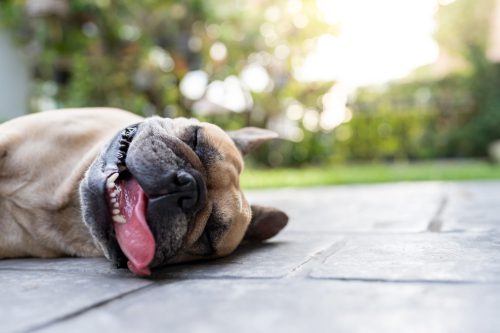
How Heatstroke Happens in Pets
Heatstroke often develops faster than expected, even during moderate temperatures. While long, hot days create obvious risks, humidity and a lack of airflow can also contribute to overheating. Pets do not have the same cooling abilities humans do, making them far more sensitive to environmental conditions. In many cases, heatstroke in pets builds up gradually, starting with mild overheating before escalating into an emergency. Understanding how and why it occurs helps you stay alert during everyday activities. The more awareness you have, the better you can protect your pet from heat-related problems.
Common Situations That Lead to Heatstroke
Several day-to-day scenarios can put pets at risk. Leaving a pet in a parked car ranks among the most dangerous situations, even for a few minutes. Temperatures inside a vehicle can rise dozens of degrees in a short period, creating a life-threatening environment. Outdoor exercise during warm or humid days also increases risk, especially for dogs who love to run hard without realizing their limits. Hot patios, asphalt, and sun-exposed yards contribute to overheating as well. Even indoor environments without proper ventilation can become unsafe, particularly for breeds that struggle with heat.
Pets Who Are More Vulnerable
Certain pets face higher heatstroke risks due to their unique traits. Brachycephalic breeds, such as Bulldogs, Pugs, Boston Terriers, and Persian cats, often overheat more easily because of their shortened airways. Senior pets also face greater challenges regulating temperature, especially if they have underlying conditions. Overweight pets retain more body heat and may struggle to cool down efficiently. Long-haired breeds and pets with thick undercoats trap heat close to their skin, which intensifies the danger. Awareness of your pet’s specific needs helps you identify situations where extra caution is necessary.
Symptoms of Heatstroke in Pets
Recognizing the signs of heatstroke in pets early makes a meaningful difference in their outcome. Symptoms often begin subtly before becoming much more obvious as the body’s stress increases. Many pet owners first notice changes in behavior, such as restlessness or seeking shade. As internal temperature rises, the symptoms become more noticeable and require urgent attention. Understanding these signs can help you respond quickly, especially in unpredictable summer conditions around Bucks County. Each symptom provides important clues about your pet’s comfort and safety.
Early Warning Signs
Early symptoms often look like mild discomfort but should not be ignored. Pets may pant harder than usual or show signs of fatigue during a walk. You may notice drooling that appears thicker or more excessive than normal. Some pets become anxious or pace as their bodies try to cool down. Others may move more slowly or appear uninterested in their usual activities. These early indicators often occur before more severe symptoms appear, making them important to recognize.
Advanced Symptoms That Signal an Emergency
Once heatstroke progresses, the signs become much more concerning. Pets may collapse or struggle to stand due to weakness. Their gums or tongue may appear unusually red or pale. Vomiting or uncoordinated movements often accompany increasing distress. Some pets may experience confusion or difficulty responding to familiar cues. These symptoms require immediate veterinary attention, and acting without delay supports your pet’s safety. If you notice any of these severe signs, call Pets Furst Urgent Care at (215) 755-1000 right away.
How Vets Assess and Treat Heatstroke Cases
When you bring your pet to our urgent care clinic for suspected heatstroke, our team acts quickly to stabilize their condition. The goal is to help your pet feel safe and supported while the medical team identifies the severity of the overheating. Every pet’s situation is different, and the care plan reflects their individual needs. Even if your pet seems to improve on the way to the clinic, a veterinary evaluation remains important because complications may develop later.
What Our Team Examines First
Our team begins by assessing your pet’s vital signs and overall comfort. They check temperature, heart rate, breathing, and hydration levels. These initial assessments help determine the extent of heat-related stress. The team also gathers information about what happened before your pet overheated. This includes activity level, how long they were outdoors, and any environmental factors that may have contributed. The information you provide helps guide the next steps in your pet’s care.
Why Follow-Up Care Matters
Even after your pet appears stable, monitoring remains important. Heatstroke can affect internal organs, hydration, and overall recovery. Follow-up care supports long-term health and helps detect any delayed effects. Our veterinary team may schedule additional check-ins to make sure your pet continues progressing as expected. Staying in communication with your veterinarian after a heatstroke event creates a clear path toward recovery. Pets Furst Urgent Care provides this support whenever your pet needs closer attention following an overheating episode.
Prevention Tips for Heatstroke in Pets
Proactive steps help lower the risk of heatstroke in pets during warm weather. These habits create safer environments for outdoor play, exercise, and relaxation. Many pet owners throughout Langhorne, Levittown, and surrounding communities enjoy summertime activities, and simple adjustments can support your pet’s comfort. Prevention relies on understanding your pet’s specific needs, local weather patterns, and potential hazards around your home. The more prepared you are, the more enjoyable outdoor time becomes for your entire family.
Safer Exercise and Outdoor Habits
Adjust your daily routines based on temperature and humidity. Walks during the early morning or later evening reduce heat exposure. Pausing for water and rest during outdoor play helps your pet maintain their comfort. Shaded areas offer relief from direct sunlight, so consider these locations when planning your outings. Pet owners often find that shorter, more frequent walks work better on warm days. Pay attention to how your pet behaves during outdoor time, as their actions provide helpful cues about their comfort.
Environmental Heat Risks to Watch For
Hot surfaces can raise body temperature quickly. Asphalt, concrete, patios, and sand retain heat long after the sun sets. Standing water in bowls or outdoor containers warms up fast, making it less refreshing for pets. If your home lacks strong airflow or shade, indoor temperatures may also rise more than expected. High humidity slows evaporation, making heat harder for pets to tolerate. Staying aware of these factors helps you make informed choices for your pet’s daily routine.
Special Considerations for At-Risk Pets
If your pet falls into a higher-risk category, additional care supports their comfort. Short-snout breeds benefit from cooler environments and shorter play sessions. Senior pets may enjoy slower, gentler walks that avoid midday heat. Overweight pets may need more rest breaks and close supervision. Long-coated pets may require regular brushing to help remove excess undercoat that holds heat. Knowing these needs helps you create routines tailored to your pet’s comfort.
Support for Your Pet During Warm Weather
Seasonal heat in Pennsylvania brings fun opportunities for outdoor activities, but preparation helps you navigate the risks. When you understand how heatstroke in pets develops, recognize the early signs, and take simple preventive steps, you create a safer experience for your pet. Even with the best precautions, unexpected situations can happen, and you never have to face them alone. If your pet shows concerning symptoms or you feel uneasy about their condition, contact Pets Furst Urgent Care at (215) 755-1000 for help. Our team supports pets and their families throughout Langhorne and the surrounding community whenever guidance or urgent care is needed.
recent posts
About Us
At Pets Furst Urgent Care, your time is important to us. That’s why we’re here: To provide the highest level of pet urgent care possible on a walk-in basis. That means you can stop in at any time during our office hours to see a knowledgeable veterinarian.